
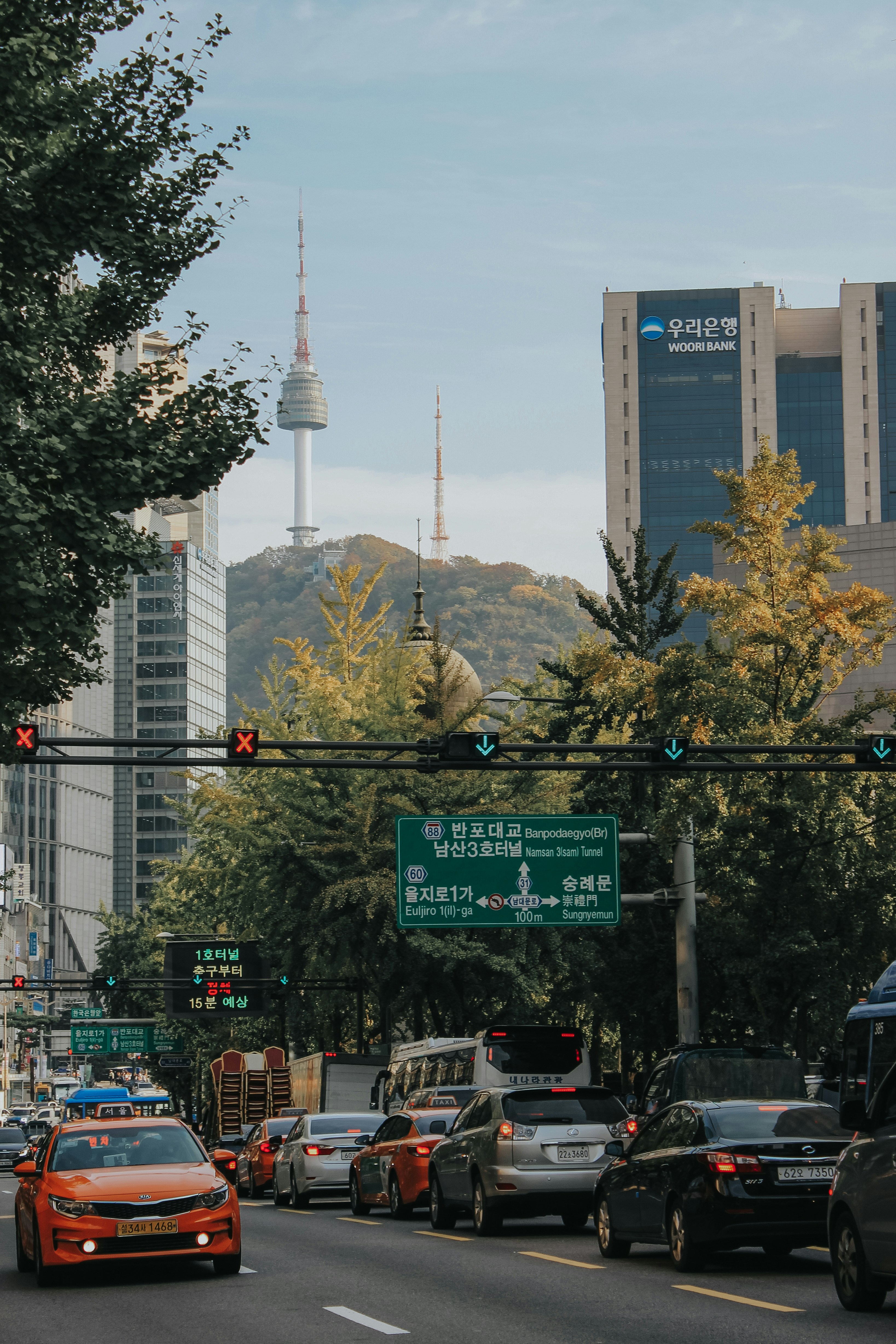
South Korea rewards a bit of planning — the transport system is efficient once understood, and the trip runs much more smoothly when a few practical questions are settled before departure.
This guide focuses on the planning questions that matter most for first-time Indian visitors rather than a sightseeing checklist.
South Korea Planning Lens
The most useful first step is deciding how much time Seoul gets versus Busan, since Seoul alone can fill four to five days comfortably. A shorter trip is usually better spent entirely in Seoul with a day trip out, rather than rushing both cities.
Best Time to Consider for the Trip
South Korea has four distinct seasons. Spring (cherry blossoms) and autumn (foliage) are the most popular and most crowded times to visit, with pleasant temperatures. Summer is hot and humid, and winter can be cold, especially outside Seoul. Check current seasonal conditions and any local festival dates before finalising travel dates.
Where the Budget Really Changes
Hotel location relative to the subway matters more in Seoul than almost anywhere else — a slightly further hotel can add real time to every single day. The KTX high-speed train, seasonal festival tickets and popular restaurant bookings are where a budget can move. Compare quotes on the same hotel category and inclusions before deciding.
Planning from India
Confirm passport validity, the current visa process, travel insurance and baggage allowance before booking. South Korea's visa requirements for Indian passport holders should be checked directly with the relevant official source close to your travel date, since processes and eligibility can change.
The Right Pace for Families, Couples and Solo Travellers
Families usually do better with a slower pace in Seoul — one major sight plus a market or park each day rather than several palaces back to back. Couples often enjoy an evening café district or a scenic viewpoint over an extra ticketed attraction. Solo travellers will find Seoul's subway system easy to navigate independently once the basic lines are understood.
South Korea Planning Mistakes to Avoid
A common mistake is treating Seoul as a one or two day stop when it comfortably deserves four or five. Another is not accounting for queue times at the most popular palaces and markets during peak season. Travellers also lose value by booking the KTX too close to travel dates, when convenient time slots sell out.
How to Make the Trip Feel Better
Pick one or two experiences that matter most and build the day around them rather than a packed list. Leave time for a market, a café district or a park with no fixed plan — this is often where South Korea feels most memorable.
Beyond Seoul and Busan
For a first trip, Seoul and Busan cover most of what draws Indian travellers to South Korea. A DMZ tour, a countryside temple stay, or the island of Jeju are strong additions for a longer trip or a return visit.
Book Your Key Reservations Early
The KTX train, popular restaurants and any seasonal festival should be booked ahead, particularly during cherry blossom or autumn foliage season. Keep smaller sightseeing choices flexible.
The Week Before You Fly
In the final week, recheck flight times, transfers, hotel check-in details, travel insurance validity and any pre-booked tickets. Share the full itinerary with everyone travelling and keep offline copies of every confirmation.
The South Korea Travel Checklist
Before confirming, review: total journey time from your home city; number of nights in Seoul versus Busan; hotel location relative to subway lines; the KTX booking; current visa and entry requirements; travel insurance; and a realistic personal-spending allowance. Recheck timings close to departure, since seasonal conditions and festival dates can shift.