
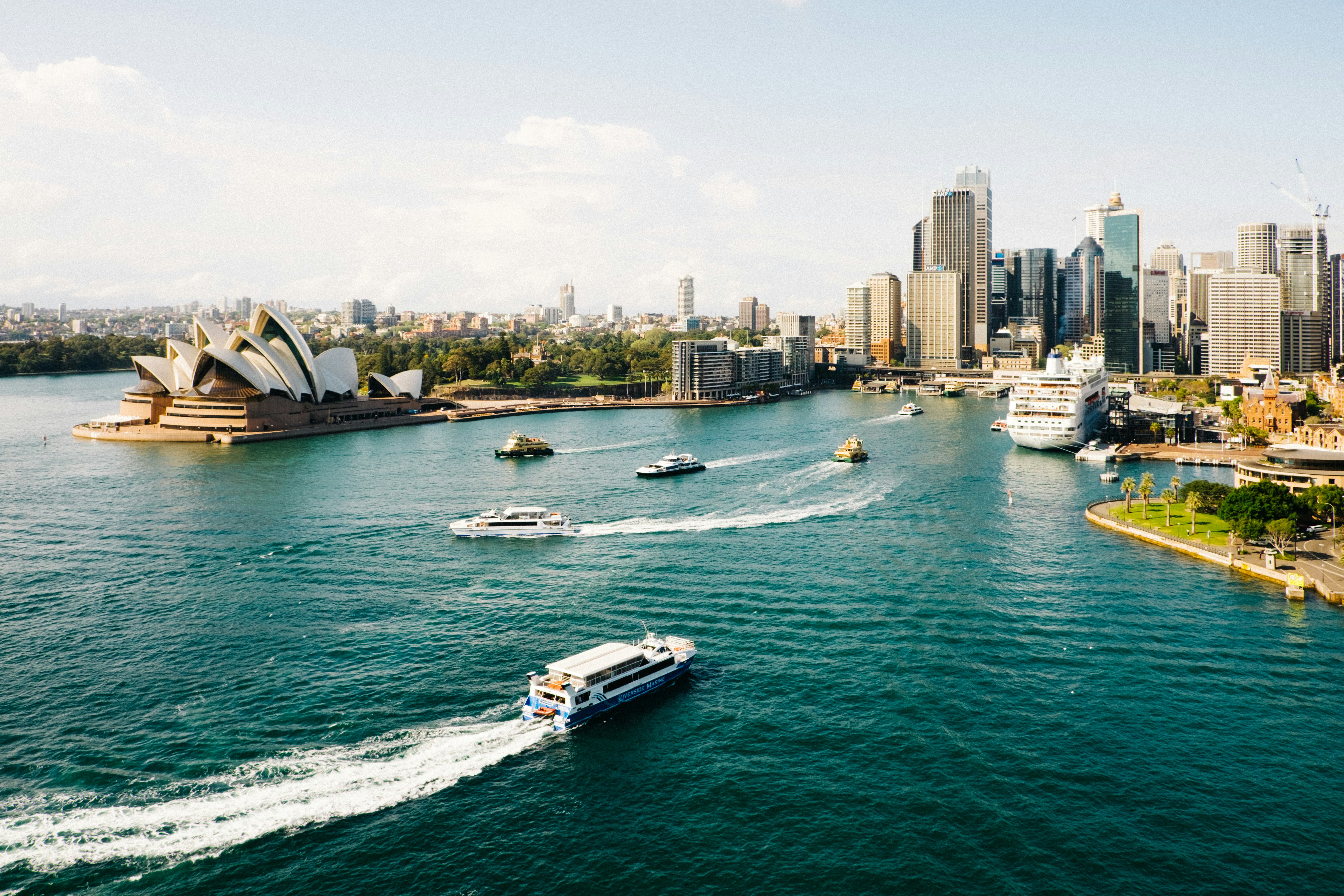
Australia is straightforward to enjoy once a few practical differences from home are planned for in advance — the long flight, the reversed seasons, and the country's sheer size compared with a typical multi-city Indian holiday.
This guide focuses on the practical planning questions that come up most often for first-time Indian visitors, rather than a city-by-city sightseeing list.
Australia Planning Lens
The most useful first step is deciding how many cities the trip can realistically support. Australia's distances are large — flying, not driving, connects most itineraries — so two well-chosen cities with a short extension usually work better for a first trip than an ambitious multi-stop route.
Best Time to Consider for the Trip
Australia's seasons are the reverse of India's: December to February is summer and June to August is winter. September to November and March to May are shoulder seasons in many regions, with milder weather and fewer crowds, but the right time varies by destination — tropical Queensland has a distinct wet season, while the south sees cooler winters. Check current seasonal conditions for the specific cities on the itinerary rather than assuming one season suits the whole country.
Where the Budget Really Changes
Flights from India are the largest cost and the most limited in direct routing, so book early and compare total journey time across airlines rather than price alone. Within Australia, hotel location, domestic flights or trains between cities, and optional experiences like reef trips or wildlife parks are where a budget can move significantly. Compare quotes on the same hotel category, meal plan and inclusions before deciding.
Planning from India
Confirm passport validity, the current visa or ETA process, travel insurance, and baggage allowance before booking. Check the airport and terminal names carefully, since some Australian cities are served by more than one. Because entry requirements can change, verify the current process with the relevant official source close to your travel date rather than relying on an older guide or a forwarded message.
The Right Pace for Families, Couples and Solo Travellers
Families usually benefit from fewer city changes, predictable transfers and attractions matched to children's ages. Couples may prefer one upgraded stay or a scenic day trip over an additional ticketed attraction. Solo travellers and seniors often do better with shorter walking days and private transfers rather than long coach tours. Adjust the same city list to the travellers rather than following one fixed template.
Australia Planning Mistakes to Avoid
A common mistake is underestimating how far apart Australian cities are and trying to cover too many in too few nights. Another is booking a hotel away from the city centre or harbour to save on the room rate, then spending that saving on taxis. Travellers also lose value by not checking daylight hours and seasonal timing for outdoor activities like reef trips or hikes, which can be weather- or season-dependent.
How to Make the Trip Feel Better
Choose one or two experiences that matter most in each city and build the schedule around them, rather than trying to see everything. Leave at least one morning or afternoon per city unplanned for a market, a coastal walk or a neighbourhood with no fixed itinerary. Confirm the final transport and transfer plan before departure and keep a small buffer for delays.
Beyond Sydney and Melbourne
For a first trip, Sydney and Melbourne between them cover most of what draws Indian travellers to Australia — harbour and beach life, food and culture, and easy day trips like the Blue Mountains or the Great Ocean Road. Reef access in Queensland, the Gold Coast, and the Red Centre are strong options for a second trip or a longer extension once time allows.
Book Your Key Reservations Early
Reef trips, wildlife park entry, well-known restaurants and any attraction during Australian school holidays should be booked in advance. Keep smaller sightseeing choices flexible so the trip can adjust to weather or a local recommendation.
The Week Before You Fly
In the final week, recheck flight times, transfers, hotel check-in details, travel insurance validity and any pre-booked tickets. Share the full itinerary with everyone travelling and keep offline copies of every confirmation.
The Australia Travel Checklist
Before confirming, review: total journey time and layovers from your home city; number of cities and nights in each; hotel neighbourhood and room category; airport and intercity transfers; current visa and entry requirements; travel insurance; local connectivity; and a realistic personal-spending allowance. Recheck timings close to departure, since flight schedules and seasonal conditions can change.