
Best TimeMarch to May and October to November are popular for mild weather; cherry-blossom and autumn periods require early booking.
Spring and autumn combine comfortable weather with seasonal scenery.
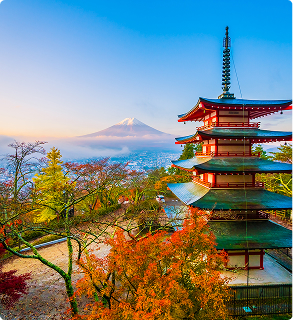
Tokyo holidays from India built around Shibuya, Shinjuku, Asakusa and Sensō-ji, Meiji Shrine and Harajuku, Ginza, Akihabara and day trips toward Mount Fuji or Hakone, with practical routing, flexible hotels and personalised travel planning.
Spring and autumn combine comfortable weather with seasonal scenery.
A comfortable starting point for a first-time itinerary.
Carry a small local-currency reserve alongside cards.
English availability varies by area and service provider.
Plan around weather, crowds and the experience you want—not a generic year-round label.
Spring and autumn combine comfortable weather with seasonal scenery.
Often a good balance of availability, weather and crowd levels.
Keep itinerary flexibility for weather-sensitive outdoor activities.
A premium trip is not about adding more stops—it is about choosing the right rhythm, experiences and hotel strategy.
Build the itinerary around landmark sightseeing and neighbourhood exploration.
Leave room for local dining, markets and cultural experiences.
Use free periods for shopping, entertainment or optional day experiences.
Mix structured sightseeing with lighter evenings so the trip stays comfortable.
Core planning information is always available; verified destination intelligence is layered in automatically when maintained by the travel team.
JR trains, Tokyo Metro and Toei Subway cover almost every visitor district. Staying near a useful station matters more than being beside one famous attraction.
Tourist SIM and eSIM options are available in major visitor areas. Compare coverage, device compatibility and roaming needs before departure.
Daily spending varies significantly by hotel category, meals, sightseeing, shopping and private transport. Build a separ
Indian passport holders should verify Japan's current visa requirements, application procedure and entry conditions through official Japanese embassy or consular guidance before booking non-refundable travel.
Excellent walking shoes, season-specific layers, a small day bag and any medication documentation required by Japanese rules.
City destination · Suggested stay 5–7 days in Tokyo; 9–12 days for Tokyo–Kyoto–Osaka.
Use this simple planning sequence so important travel details are checked at the right time.
Confirm dates, trip length, hotel category, routing and major experiences before comparing the final package value.
Recheck passport and entry requirements, insurance, transfers, confirmed tickets, connectivity and weather for your dates.
Keep transfer details, hotel confirmation, local payment access and offline copies of key documents ready.
Tokyo is one of the strongest Japan choices for Indian travellers when the trip is planned around experience, geography and realistic daily pacing rather than a simple checklist. A first visit should build around Shibuya, Shinjuku, Asakusa and Sensō-ji, Meiji Shrine and Harajuku, Ginza, Akihabara and day trips toward Mount Fuji or Hakone. The destination works best when hotel location, transport and the order of sightseeing are considered together, because the same number of nights can feel either smooth or exhausting depending on how much backtracking is built into the plan.
For accommodation, think in terms of travel style. Shinjuku for transport and nightlife; Shibuya for energy; Tokyo Station/Ginza for premium shopping and intercity rail; Asakusa for a more traditional atmosphere. This choice affects the amount of time spent in traffic or public transport, the atmosphere after sightseeing and how much value the traveller actually receives from the hotel. The practical transport picture is equally important: JR trains, Tokyo Metro and Toei Subway cover almost every visitor district. Staying near a useful station matters more than being beside one famous attraction. The main arrival point also needs to be built into the first and last day: Haneda (HND) is closer to central Tokyo; Narita (NRT) is farther away and needs more transfer time. Choose transport according to hotel area and luggage.
Food and lifestyle are part of the holiday, not an afterthought. Tokyo offers extraordinary dining variety, but strict vegetarian and Jain travellers should research because fish-based dashi appears in many dishes. Shopping can also be planned intentionally: Ginza, Shibuya, Shinjuku and Akihabara specialise in different shopping categories from luxury and fashion to electronics and pop culture. For families, Tokyo is excellent for families with Disney resorts, museums, aquariums and safe transport, though walking distances can be substantial. For couples and honeymooners, Couples can combine Tokyo skyline and dining experiences with a Hakone ryokan or Kyoto extension. If the itinerary has enough time, a natural extension is Kyoto and Osaka by high-speed rail, or Hakone/Fuji Five Lakes for mountain scenery.
For travellers departing India, the most important pre-departure checks are passport validity, current visa or entry conditions, flight and baggage details, confirmed hotel and transfer vouchers, travel insurance and any time-sensitive arrival forms. Indian passport holders should verify Japan's current visa requirements, application procedure and entry conditions through official Japanese embassy or consular guidance before booking non-refundable travel. Smiles To Miles can customise the number of nights, hotel category, transfers, sightseeing, meals and extensions so the final itinerary reflects the traveller's budget, pace and reason for travel.
Planning this journey from India? Explore Tokyo holiday packages, review the visa documents checklist, or speak with our New Delhi travel team for a customised itinerary.
Shibuya; Shinjuku; Asakusa and Sensō-ji; Meiji Shrine and Harajuku; Ginza; Akihabara and day trips toward Mount Fuji or Hakone.
JR trains, Tokyo Metro and Toei Subway cover almost every visitor district. Staying near a useful station matters more than being beside one famous attraction. Haneda (HND) is closer to central Tokyo; Narita (NRT) is farther away and needs more transfer time. Choose transport according to hotel area and luggage. Pack for the season: Excellent walking shoes, season-specific layers, a small day bag and any medication documentation required by Japanese rules. Reconfirm time-sensitive visa, entry, attraction and transport information before departure.
Start with the number of nights and the traveller profile, then group the trip around Shibuya, Shinjuku, Asakusa and Sensō-ji, Meiji Shrine and Harajuku, Ginza, Akihabara and day trips toward Mount Fuji or Hakone. Do not place major attractions in random order. Keep arrival day lighter after the flight from India, reserve the most weather-sensitive or timed experiences for days with enough buffer, and protect one flexible block for rest, shopping or an optional activity. A stay of 5–7 days in Tokyo; 9–12 days for Tokyo–Kyoto–Osaka is a practical starting point, but the right length depends on whether the trip is a stand-alone holiday or part of a wider route.
Hotel location changes the trip more than many travellers expect. Shinjuku for transport and nightlife; Shibuya for energy; Tokyo Station/Ginza for premium shopping and intercity rail; Asakusa for a more traditional atmosphere. Compare real room size, breakfast timing, transport access and the experiences planned for the evening, not only star category. A slightly better-located hotel can reduce transfer time enough to justify a higher room rate, especially for families and travellers with short stays.
Build the core around Shibuya, Shinjuku, Asakusa and Sensō-ji, Meiji Shrine and Harajuku, Ginza, Akihabara and day trips toward Mount Fuji or Hakone. Add Kyoto and Osaka by high-speed rail, or Hakone/Fuji Five Lakes for mountain scenery only if the trip has enough time and the transfer pattern remains comfortable. Avoid booking every available attraction simply because it appears in a package list. The strongest itinerary mixes signature sights with unstructured time, local atmosphere and one or two experiences that match the traveller—family, honeymoon, culture, food, shopping or premium leisure.
Tokyo offers extraordinary dining variety, but strict vegetarian and Jain travellers should research because fish-based dashi appears in many dishes. That makes meal planning easier, but strict vegetarian, Jain, allergy or other dietary needs should still be communicated clearly to hotels and restaurants. Ginza, Shibuya, Shinjuku and Akihabara specialise in different shopping categories from luxury and fashion to electronics and pop culture. Keep shopping blocks realistic so they do not consume sightseeing days, and check baggage allowance plus Indian customs rules for high-value, food or natural-product purchases.
Before ticketing, compare flight timings, baggage allowance, airport, hotel location and transfer type as one package rather than separate decisions. Indian passport holders should verify Japan's current visa requirements, application procedure and entry conditions through official Japanese embassy or consular guidance before booking non-refundable travel. Keep digital and offline copies of passports, visas, insurance, hotel vouchers and confirmed transfers. If adding Kyoto and Osaka by high-speed rail, or Hakone/Fuji Five Lakes for mountain scenery, coordinate the connection within the same itinerary so hotel check-out, luggage and onward transport are realistic.
Use reputable transport and tour operators, protect travel documents and valuables, follow local weather and safety advice, and keep travel insurance suitable for the planned activities.
Tokyo offers extraordinary dining variety, but strict vegetarian and Jain travellers should research because fish-based dashi appears in many dishes.
Ginza, Shibuya, Shinjuku and Akihabara specialise in different shopping categories from luxury and fashion to electronics and pop culture.
Evening options vary from relaxed dining to nightlife districts. Choose hotel location and return transport according to the traveller's comfort level and next-day schedule.
Tokyo is excellent for families with Disney resorts, museums, aquariums and safe transport, though walking distances can be substantial.
Couples can combine Tokyo skyline and dining experiences with a Hakone ryokan or Kyoto extension.
Excellent walking shoes, season-specific layers, a small day bag and any medication documentation required by Japanese rules.
Dress for weather and planned venues, and use more respectful clothing at religious, cultural or formal sites. Follow local rules displayed at attractions.
Hotel Wi-Fi is common, but personal mobile data is recommended for maps, tickets, transport updates and communication while sightseeing.
Tipping practices vary by destination and supplier. Check whether service is included and use local norms rather than assuming a fixed percentage.
Curated journeys connected to this destination, with clear duration, pricing and itinerary access.
7 days / 6 nights Japan luxury holiday: 2N Tokyo + 1N Hakone + 2N Kyoto + 1N Osaka. Structured city-by-city routing w…
7 days / 6 nights Japan luxury holiday: 3N Tokyo + 2N Kyoto + 1N Osaka. Structured city-by-city routing with accommod…
6 days / 5 nights Japan honeymoon holiday: 2N Tokyo + 1N Hakone + 2N Kyoto. Structured city-by-city routing with acco…
5 days / 4 nights Japan budget holiday: 2N Tokyo + 1N Hakone + 1N Kyoto. Structured city-by-city routing with accommo…
6 days / 5 nights Japan couple holiday: 2N Tokyo + 2N Kyoto + 1N Osaka. Structured city-by-city routing with accommod…
5 days / 4 nights Japan family holiday: 2N Tokyo + 1N Kyoto + 1N Osaka. Structured city-by-city routing with accommod…
5–7 days in Tokyo; 9–12 days for Tokyo–Kyoto–Osaka is a strong planning range for most first-time travellers. A shorter stay can cover highlights at a faster pace, while extra nights are useful for families, a slower honeymoon rhythm or regional extensions.
March to May and October to November are popular for mild weather; cherry-blossom and autumn periods require early booking.
Indian passport holders should verify Japan's current visa requirements, application procedure and entry conditions through official Japanese embassy or consular guidance before booking non-refundable travel.
Yes. Tokyo is excellent for families with Disney resorts, museums, aquariums and safe transport, though walking distances can be substantial. For couples, Couples can combine Tokyo skyline and dining experiences with a Hakone ryokan or Kyoto extension. The hotel area and pace should be selected around the traveller profile.
Yes. Smiles To Miles can adjust hotel category and area, number of nights, transfers, sightseeing, meal plan and extensions such as Kyoto and Osaka by high-speed rail, or Hakone/Fuji Five Lakes for mountain scenery. Final availability and pricing should be reconfirmed for the actual travel dates.