
Best TimeMarch to May and September to November are popular for milder conditions; Melbourne weather can change quickly in any season
Autumn and spring work well across major cities.
Plan a Melbourne holiday from India with practical stay choices, sightseeing, transfers, local experiences and flexible package options.
Autumn and spring work well across major cities.
A comfortable starting point for a first-time itinerary.
Carry a small local-currency reserve alongside cards.
English availability varies by area and service provider.
Plan around weather, crowds and the experience you want—not a generic year-round label.
Autumn and spring work well across major cities.
Often a good balance of availability, weather and crowd levels.
Keep itinerary flexibility for weather-sensitive outdoor activities.
A premium trip is not about adding more stops—it is about choosing the right rhythm, experiences and hotel strategy.
Build the itinerary around landmark sightseeing and neighbourhood exploration.
Leave room for local dining, markets and cultural experiences.
Use free periods for shopping, entertainment or optional day experiences.
Mix structured sightseeing with lighter evenings so the trip stays comfortable.
Core planning information is always available; verified destination intelligence is layered in automatically when maintained by the travel team.
trams, trains and buses make the central city easy; organised tours or rental cars are common for regional day trips
Use a local prepaid SIM or eSIM when practical so maps, transport apps and confirmations remain accessible outside hotel Wi-Fi. Compare validity, data allowance and hotspot needs before purchase.
Daily personal spending depends on hotel category, meals, local transport, sightseeing, shopping and optional experience
Check the latest official immigration, visa, customs and arrival-form requirements for Indian passport holders before ticketing. Rules can change, so reconfirm them close to travel.
Pack for the season and itinerary rather than the destination name alone: comfortable walking shoes, a compact day bag, charging adapters, medicines and any weather layer needed for excursions.
City destination · Suggested stay 3–5 days.
Use this simple planning sequence so important travel details are checked at the right time.
Confirm dates, trip length, hotel category, routing and major experiences before comparing the final package value.
Recheck passport and entry requirements, insurance, transfers, confirmed tickets, connectivity and weather for your dates.
Keep transfer details, hotel confirmation, local payment access and offline copies of key documents ready.
Melbourne works best when the itinerary is built around geography, realistic transfer times and the type of holiday you actually want. For Indian travellers, a practical first plan usually starts with laneways, cafés, arts precincts, markets, sports culture and Great Ocean Road excursions. Instead of trying to fit every popular attraction into one day, group experiences that sit naturally together and protect enough free time for meals, local atmosphere and unexpected delays.
Where you stay changes the quality of the trip. CBD for first-time convenience, Southbank for river access, or inner neighbourhoods for a more local café-and-dining experience. A hotel that looks cheaper on the map can become expensive in daily transport and lost sightseeing time, so compare location, room category, breakfast, family occupancy and transfer arrangements on the same basis. For a first visit, 3–5 days is a sensible planning range, although a multi-city itinerary may use Melbourne as a shorter stop.
Getting around also deserves attention before booking. trams, trains and buses make the central city easy; organised tours or rental cars are common for regional day trips. Airport planning should use the exact arrival terminal and flight timing: Melbourne Airport (MEL). If the first day begins after a long flight from India, avoid placing an expensive timed attraction immediately after arrival unless the transfer buffer is generous.
Food and shopping can be part of the itinerary rather than an afterthought. coffee culture, multicultural dining, markets and contemporary Australian restaurants are major attractions. CBD malls, laneway boutiques, markets and outlet-style centres cover a wide range. Build one or two neighbourhood or market periods into the schedule so the trip does not become a sequence of only ticketed attractions. Travellers with dietary preferences should identify several suitable options near the hotel and main sightseeing zones before departure.
For families, museums, parks, wildlife and regional road trips work well, but Great Ocean Road is a long day for young children. For couples, laneway dining, Yarra Valley or coastal extensions and boutique hotels suit couples. The same destination therefore needs different pacing, hotel priorities and activity choices depending on who is travelling. Senior travellers often benefit from fewer hotel changes, private transfers and shorter walking loops; younger groups may prioritise nightlife, adventure or longer day trips.
Seasonality should guide, not dictate, the plan. March to May and September to November are popular for milder conditions; Melbourne weather can change quickly in any season. Check the actual forecast shortly before travel and keep weather-sensitive experiences flexible where possible. The most expensive day should not depend on a narrow weather window without a backup plan.
Sydney, Tasmania, Adelaide or Great Ocean Road regions can be combined by air or road. A good multi-city route keeps transfers logical and avoids repeating the same type of experience in every stop. Before payment, compare the package on exact inclusions: hotel and room type, meals, airport transfers, intercity sectors, sightseeing basis, attraction-ticket category, baggage rules and any taxes or charges payable locally.
Entry requirements should always be verified from current official sources close to travel. Keep passport, insurance and booking documents accessible offline, and use this guide as a planning framework rather than a substitute for live immigration or supplier confirmation. Smiles To Miles can customise Melbourne holidays from India by travel dates, hotel category, private/shared transfers, activities and onward routing.
Planning this journey from India? Explore Melbourne holiday packages, review the visa documents checklist, or speak with our New Delhi travel team for a customised itinerary.
laneways, cafés, arts precincts, markets, sports culture and Great Ocean Road excursions; 3–5 days suggested for most first-time itineraries; Sydney, Tasmania, Adelaide or Great Ocean Road regions can be combined by air or road
Airport: Melbourne Airport (MEL). Local movement: trams, trains and buses make the central city easy; organised tours or rental cars are common for regional day trips. Stay planning: CBD for first-time convenience, Southbank for river access, or inner neighbourhoods for a more local café-and-dining experience. Suggested duration: 3–5 days.
Start with a realistic 3–5 days framework and cluster laneways, cafés, arts precincts, markets, sports culture and Great Ocean Road excursions. Build airport and transfer buffers into arrival/departure days, then add one or two signature experiences before filling smaller gaps. Sydney, Tasmania, Adelaide or Great Ocean Road regions can be combined by air or road. This sequence reduces backtracking and protects the experiences with the highest booking value.
CBD for first-time convenience, Southbank for river access, or inner neighbourhoods for a more local café-and-dining experience. Compare the total trip value rather than room rate alone: neighbourhood, room size, breakfast, family occupancy, late check-in, transport access and the cost of reaching daily attractions can materially change the effective price of the stay.
Melbourne Airport (MEL). trams, trains and buses make the central city easy; organised tours or rental cars are common for regional day trips. Confirm airport terminals, transfer pickup instructions and any intercity transport before departure. For timed tickets, use a conservative buffer because traffic, immigration, weather or local operations can affect the schedule.
coffee culture, multicultural dining, markets and contemporary Australian restaurants are major attractions. CBD malls, laneway boutiques, markets and outlet-style centres cover a wide range. Leave deliberate unstructured time for a market, café, waterfront, neighbourhood or scenic viewpoint. Those flexible periods often make a holiday feel more personal than adding another compulsory attraction.
Families: museums, parks, wildlife and regional road trips work well, but Great Ocean Road is a long day for young children. Couples: laneway dining, Yarra Valley or coastal extensions and boutique hotels suit couples. Extensions: Sydney, Tasmania, Adelaide or Great Ocean Road regions can be combined by air or road. Adjust hotel location, transfer mode, daily walking and free time to the actual travellers rather than using one identical itinerary for every enquiry.
Use normal city/travel precautions in Melbourne, protect valuables in crowded areas, use reputable transport and activity operators, and keep emergency and insurance details available offline.
coffee culture, multicultural dining, markets and contemporary Australian restaurants are major attractions
CBD malls, laneway boutiques, markets and outlet-style centres cover a wide range
Evening options in Melbourne vary by neighbourhood and travel style. Plan return transport in advance if staying out late and choose areas that match family, couple or nightlife priorities.
museums, parks, wildlife and regional road trips work well, but Great Ocean Road is a long day for young children
laneway dining, Yarra Valley or coastal extensions and boutique hotels suit couples
Pack for the season and itinerary rather than the destination name alone: comfortable walking shoes, a compact day bag, charging adapters, medicines and any weather layer needed for excursions.
Dress for the season and the day’s activities in Melbourne; use more modest clothing where religious or cultural sites require it and comfortable footwear for sightseeing.
Hotel Wi-Fi is common in established tourism areas, but mobile data is useful for maps, reservations and transport while outside the hotel.
Tipping practices vary by destination and service type. Check whether a service charge is already included and follow local custom rather than assumin
Curated journeys connected to this destination, with clear duration, pricing and itinerary access.
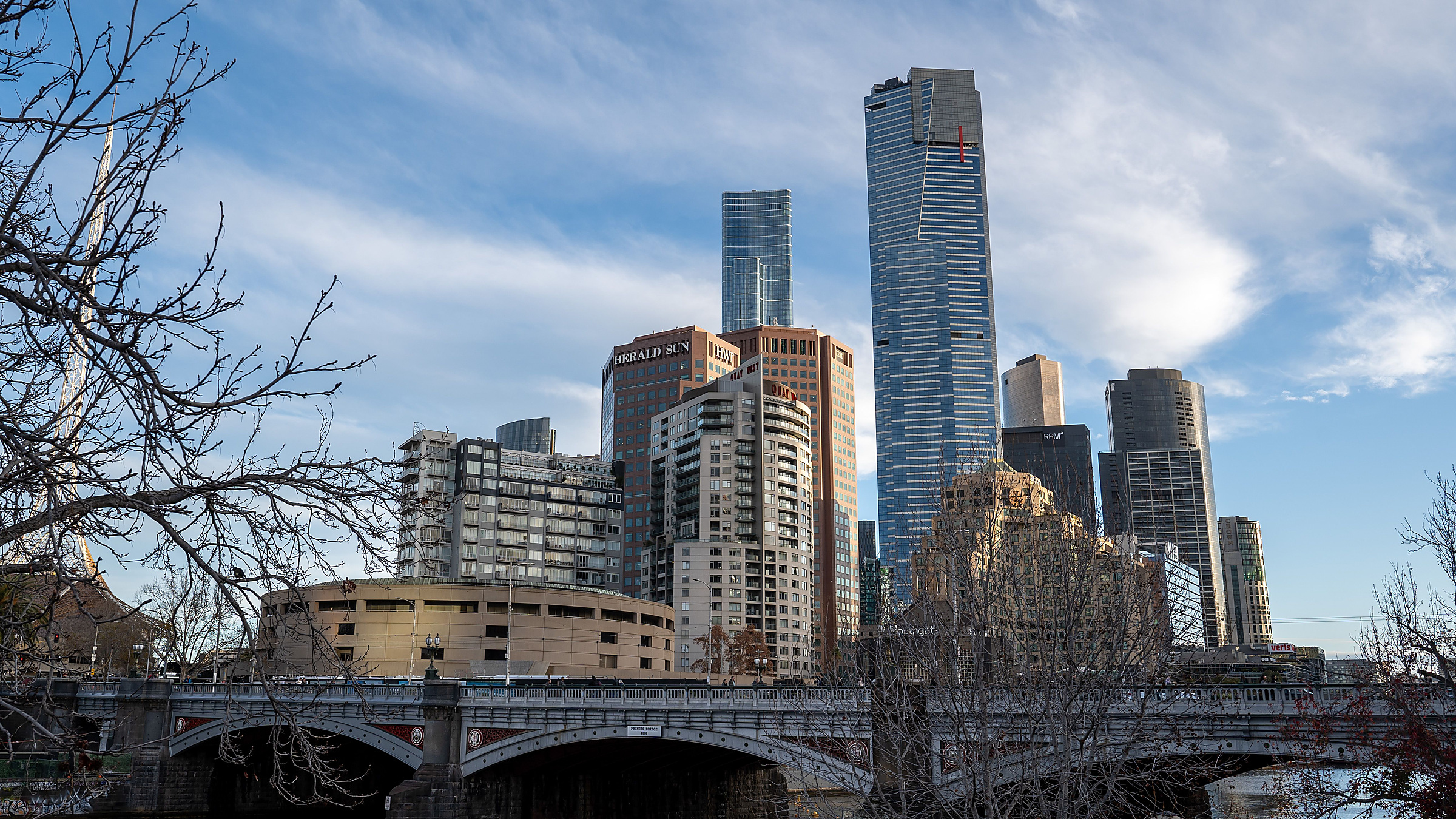
6 days / 5 nights Australia honeymoon holiday: 3N Melbourne + 2N Sydney. Structured city-by-city routing with accommo…
5 days / 4 nights Australia budget holiday: 2N Melbourne + 2N Sydney. Structured city-by-city routing with accommodat…
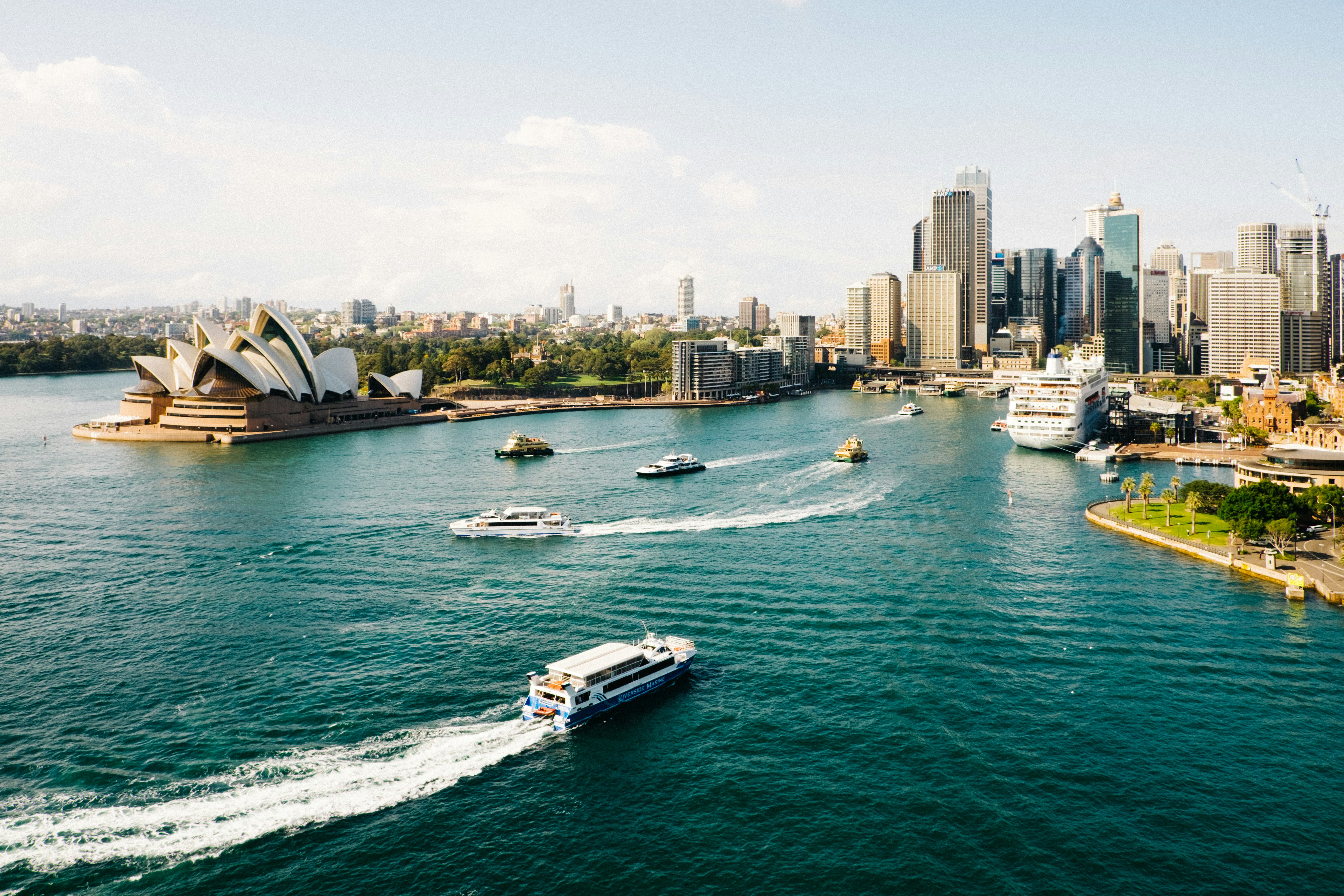
6 days / 5 nights Australia couple holiday: 3N Sydney + 2N Melbourne. Structured city-by-city routing with accommodat…
5 days / 4 nights Australia family holiday: 2N Sydney + 2N Melbourne. Structured city-by-city routing with accommodat…
For many first-time travellers, 3–5 days is a practical range. The right duration depends on arrival time, day trips, hotel location and whether Melbourne is part of a multi-city holiday.
March to May and September to November are popular for milder conditions; Melbourne weather can change quickly in any season Check the forecast and local operating conditions shortly before travel, especially for outdoor or weather-sensitive experiences.
CBD for first-time convenience, Southbank for river access, or inner neighbourhoods for a more local café-and-dining experience Choose the area based on the attractions you will actually visit, not only the cheapest room rate.
Yes, but the itinerary should be styled differently. For families, museums, parks, wildlife and regional road trips work well, but Great Ocean Road is a long day for young children. For couples, laneway dining, Yarra Valley or coastal extensions and boutique hotels suit couples.
Confirm passport and current entry requirements, exact hotel/room type, airport and intercity transfers, sightseeing basis, attraction tickets, baggage, meal plan, cancellation terms and any charges payable locally. Check the latest official immigration, visa, customs and arrival-form requirements for Indian passport holders before ticketing. Rules can change, so reconfirm them close to travel.